Balancing Safety and Independence: When a Favorite Activity Becomes a Risk
Elderly Care Match Team · June 7, 2026 · 4 min read · General
Balancing an aging loved one’s independence and safety is incredibly tough. When a beloved hobby becomes a fall risk, how do you step in? This guide offers practical ways to adapt activities, set boundaries, and protect their dignity.
As a caregiver, few things are more agonizing than watching a loved one’s physical abilities decline while their desire for independence remains as fierce as ever. A common, heartbreaking dilemma occurs when an aging parent or relative insists on participating in a beloved activity (like a weekly bowling league) even when it is no longer safe for them to do so.
If you find yourself battling worry, frustration, and fear while your loved one fights to hold onto their favorite social and physical outlets, you are not alone. Let’s break down this common scenario and explore practical, actionable steps to handle the delicate balance between safety and independence.
Understanding What is Really Going On
When a loved one who is 70 years old experiences sudden mobility and sensory issues, it is important to separate their "stubbornness" from underlying medical conditions. In the scenario of a senior struggling to walk into a bowling alley, several red flags require attention:
"Feet Not Moving" (Freezing of Gait): When an older adult says their feet feel stuck to the ramp or the carpet, this is rarely an excuse. It is often a real neurological symptom known as "freezing of gait," common in conditions like Parkinson’s disease or other vascular issues. Their brain is telling their feet to step, but the signal isn't reaching their legs.
Vertigo and Fall Risks: Vertigo is more than just dizziness; it creates a profound loss of balance. Combined with freezing gait and the physical demands of bowling (including stepping up to lanes and releasing a heavy ball), the fall risk is critical.
The Danger of Untreated Hearing Loss: Replacing high-quality prescription hearing aids with Over-The-Counter (OTC) versions can severely impact a senior's safety. If they cannot hear you warning them of a tripping hazard, or cannot hear the bustling environment around them, they become isolated and vulnerable. This can also lead to awkward social interactions, such as staring at strangers for a seat because they lack the sensory input to navigate the situation smoothly.
Practical Steps: How to Handle the Dilemma
Taking away an older adult's only physical and social activity can lead to rapid physical decline and severe depression. The goal shouldn't be to stop the activity, but to modify it so they can participate safely.
1. Address the Medical Red Flags Immediately
Before tackling the bowling issue, tackle the health issues. Schedule an appointment with their primary care doctor or neurologist. Mention the vertigo and specifically describe the "feet feeling stuck to the floor" episodes. Additionally, schedule a visit to the audiologist. Explain to your loved one that to keep doing the things they love, their "equipment" (their hearing aids and balance) needs a tune-up.
2. Shift from "You Can't" to "How Can We?"
Direct confrontation ("You are not safe to stay and bowl") often triggers defensiveness. Instead, try a collaborative approach. Acknowledge how proud you are of their activity level, and frame your intervention around teamwork: "I love that you bowl every week, and I want you to keep doing it. Let’s figure out a way to make it easier on your body."
3. Modify the Environment
If they are going to bowl, the logistics must change to ensure their safety:
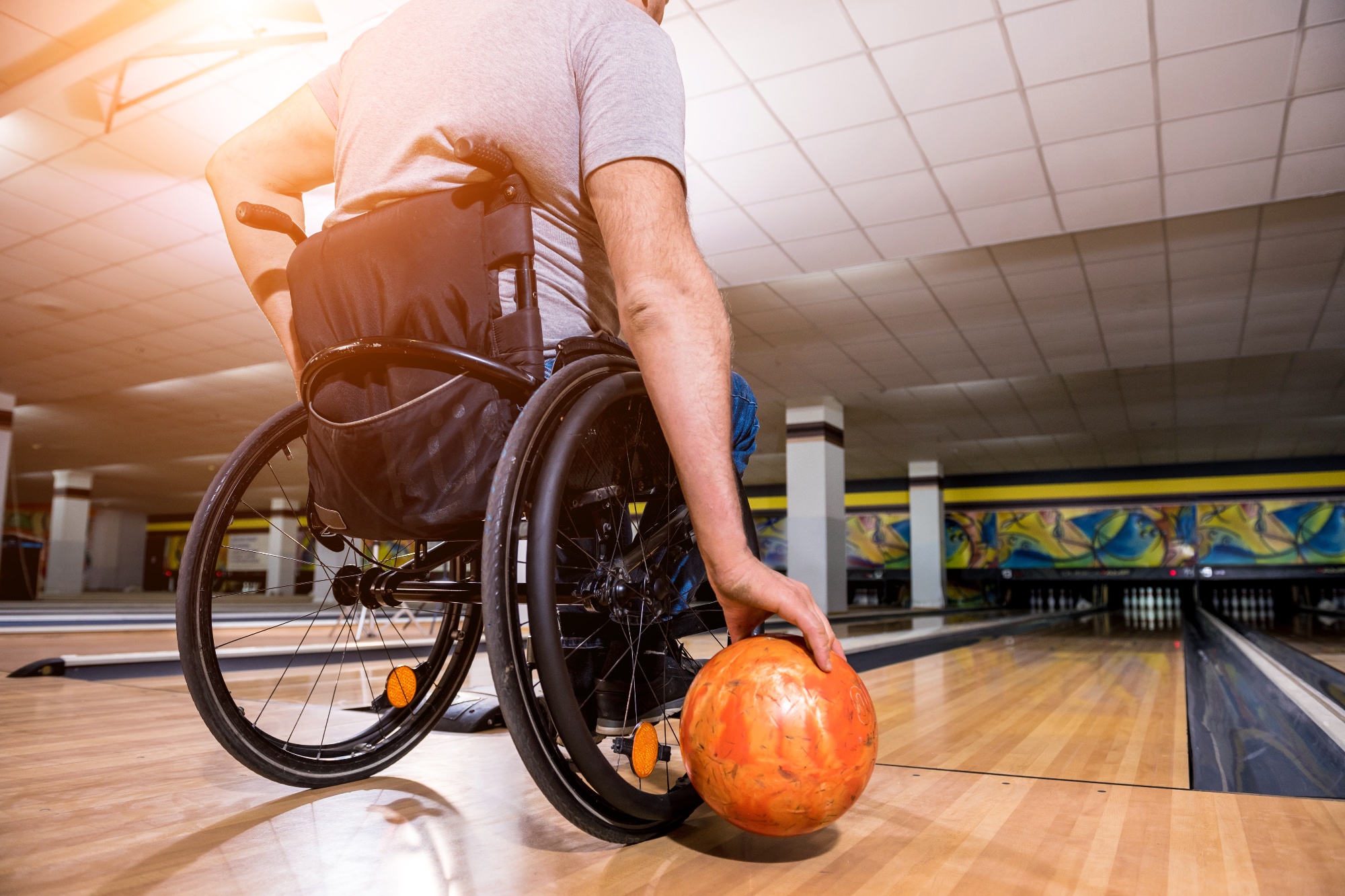
Mobility Aids: Can a wheelchair or transport chair be used to safely get them from the car, up the ramp, and directly to their lane?
Adaptive Bowling: Speak to the bowling alley about adaptive equipment. Many alleys have ramps (often used for children or wheelchair users) that allow a person to bowl without having to take the precarious approach steps.
4. Set Firm Caregiver Boundaries
Your peace of mind matters, too. Leaving a highly vulnerable loved one alone at an activity and waiting in fear for a phone call is an unsustainable level of stress. You have the right to set conditions for your help.
The Boundary: "I am happy to drive you to bowling, but because of your recent vertigo, I cannot drop you off alone. I will stay and watch, or we will need to hire a companion caregiver to sit with you." If there is no room to sit, speak to the alley management about accommodating a caregiver seat for safety reasons.
The Takeaway
Navigating the transition from independence to needing assistance is a grieving process for older adults. Their refusal to give up activities is rooted in a desire to maintain their identity and pride. By addressing the underlying medical issues, utilizing adaptive tools, and enforcing loving but firm boundaries, caregivers can help their loved ones enjoy their golden years safely—without wrapping them in bubble wrap.
For more resources on managing mobility issues, caregiver stress, and navigating tough conversations, visit the Elderly Care Match Learning Center.