A Blood Test Can Help Confirm Alzheimer’s
Elderly Care Match Team · August 31, 2026 · 6 min read · Dementia & Memory Care
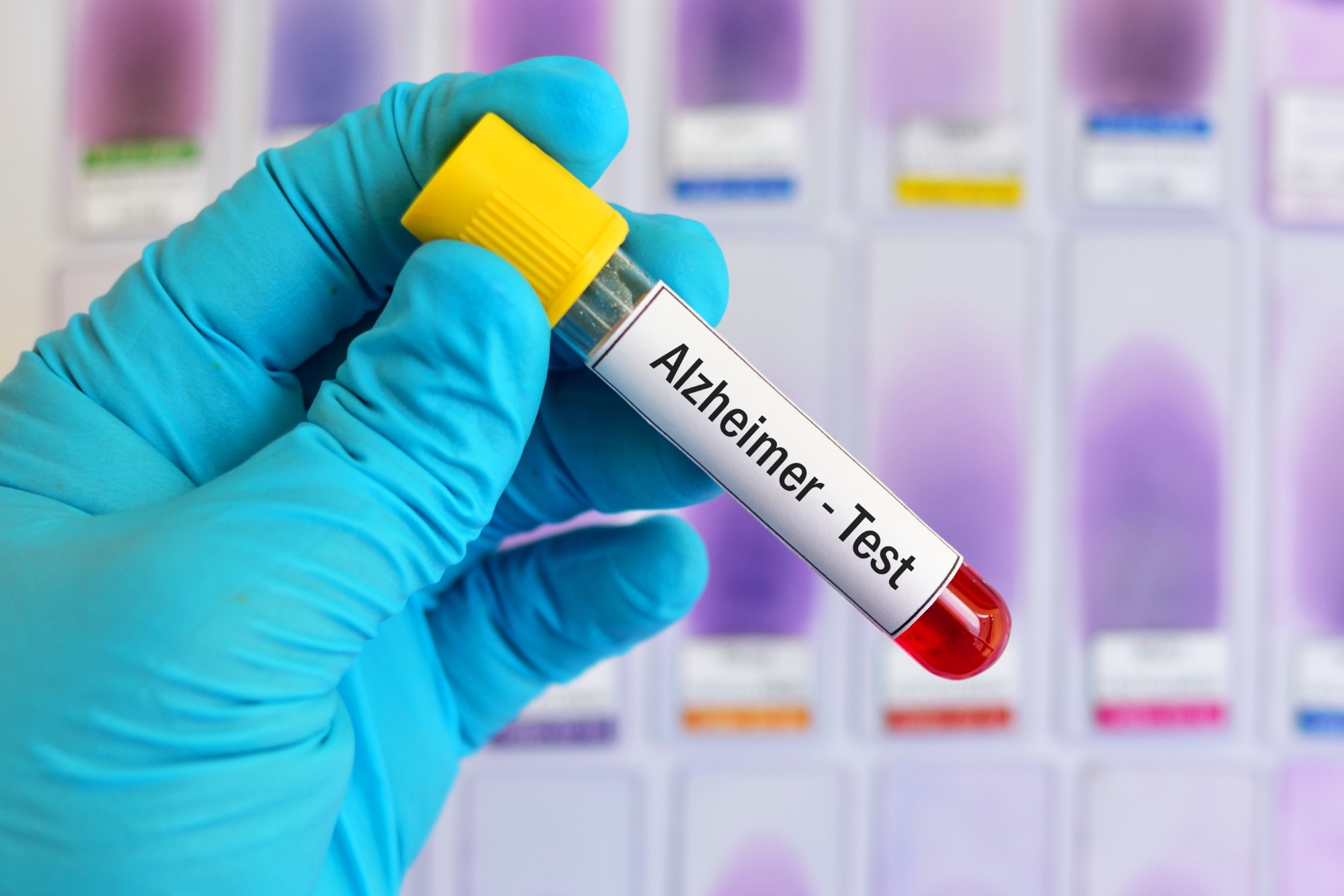
Two new blood tests can help a doctor diagnose Alzheimer's, but they can't tell you what to do next. Learn how to use this new information to find the right Washington memory care community, focusing on your loved one's daily needs, not just a test result.
A single protein, called phosphorylated tau 217, can now be measured in a vial of blood. For years, confirming the brain changes of Alzheimer’s disease required complex imaging or a spinal tap. This summer, that changed. In August 2026, the FDA gave clearance to two new blood tests that can detect key biological markers of the disease in people who are already showing symptoms of cognitive decline.
This is a significant step forward for medicine. For families in the middle of a difficult journey, it can bring a small measure of clarity. But it can also raise more questions than it answers. A diagnosis is a name for a problem, not a roadmap for solving it. When you’re touring adult family homes in Bellevue or looking at memory care communities near Spokane, a lab result won’t tell you which one is the right fit. Your own observations will.
What Are These New Blood Tests?
You may see news reports about these tests, so it helps to know the names. The first, C2N’s PrecivityAD2 test, was cleared on August 20, 2026, for adults 40 and older who are experiencing cognitive symptoms. A few days later, on August 24, a test from Roche and Eli Lilly called Elecsys pTau217 received its clearance for people 55 and older with cognitive decline.
Both tests work by identifying proteins in the blood that are associated with the plaques and tangles characteristic of Alzheimer's disease. They are intended as aids for diagnosis. They are not routine screening tools. A doctor uses the result, along with many other factors, to build a complete clinical picture.
A Tool, Not a Final Answer
It’s easy to think of a blood test as a simple yes or no. This isn’t that. The Alzheimer’s Association is quick to point out that no single test can diagnose Alzheimer’s disease by itself. A person’s journey to a diagnosis is more involved.
A doctor will still conduct cognitive exams, review medical history, and speak with family members about the changes they’ve seen. The results of these new blood tests can come back positive, negative, or even indeterminate. Other health conditions can sometimes confuse the results. Think of the test as one expert opinion in a room full of trusted advisors. It’s an important voice, but it’s not the only one.
A test result is a data point. The person you love is the whole story. Your search for care should focus on that story, not just a single data point.
Why Your Doctor Is Still the First Call
These tests are not designed for the “worried well”, people who have no symptoms but are concerned about their future risk. They are for individuals already struggling with memory or thinking problems. Your loved one's primary care physician or a neurologist is the right person to decide if this test is appropriate.
They are the only ones who can interpret the results correctly within the context of your family member’s overall health. Self-ordering or seeking out these tests without a doctor’s guidance can lead to unnecessary anxiety and confusion. Start the conversation with the doctor you already trust.
From Diagnosis to Decision
So, a doctor has used one of these tests to help confirm a diagnosis of Alzheimer’s disease. What now? The diagnosis gives you a framework for understanding. It explains why Dad is struggling to find words or why Mom gets agitated in the late afternoon. It’s not, however, a prescription for a specific type of care.
The most important information for your search isn’t the medical term for the disease. It’s the reality of how the disease affects your loved one each day. This is where you shift your focus from the clinical to the practical. The real work of finding the right home is about matching their daily needs, personality, and safety requirements to a community that can meet them with skill and compassion.
What to Observe When You Tour a Community
When you walk into an assisted living community or an adult family home, the diagnosis has already done its main job. It got you to the right category of care. Now, you need to find the right place within that category. Put the paperwork aside and use your eyes and ears. Pay attention to the details that define a person’s day.
Staff Interaction. Do caregivers make eye contact with residents when they speak? Do they call them by name? Watch how they handle a moment of confusion. Do they redirect with patience or correct with frustration?
Resident Engagement. Look away from the cheerful activity calendar on the wall and see what people are actually doing. Are they sitting alone in their rooms, or are they gathered, participating in a music program or folding laundry with a staff member? A good memory care program creates moments of purpose.
The Physical Space. Is the environment calm or chaotic? Is it easy to navigate? Are there secure outdoor areas for walking? A well-designed space can reduce agitation and improve quality of life.
The Daily Rhythm. Ask what a typical Tuesday afternoon looks like. How is mealtime handled? How do they help someone who is resistant to taking a shower? The answers to these practical questions are more valuable than any marketing brochure.
Matching Needs to the Right Washington Home
A diagnosis of Alzheimer's doesn't automatically mean one type of home is best. The choice between an adult family home, assisted living, or a dedicated memory care community depends entirely on the person.
An adult family home, with just a few residents, might be perfect for someone who finds large groups overwhelming. A larger assisted living community with a secured memory care wing might be a better fit for a social person who thrives on having more neighbors and activities. The key is to know your loved one. Are they an introvert or an extrovert? Are they easily overstimulated? Do they need a lot of redirection, or just gentle reminders?
These new blood tests are a welcome scientific advance. They can provide a more confident, earlier diagnosis, giving families time to plan. But they can’t measure a person’s spirit or tell you which community’s staff will remember how your mom likes her coffee. That part is up to you.
Your next step isn’t to research blood protein levels. It’s to sit down with a notebook and write down what a good day looks like for your loved one right now. What makes them smile? What triggers their anxiety? That list is the most important tool you have for the search ahead.
None of this is medical advice, and a test result is never a reason to start or stop any medication on your own. Those decisions belong with the prescribing doctor.
If you want help sorting adult family home, assisted living, memory care, or in-home care, call (206) 771-2112, email info@elderlycarematch.com, or visit elderlycarematch.com/get-help.