After a Serious Fall: Choosing the Next Level of Care
Content E. · July 25, 2026 · 6 min read · Care Options
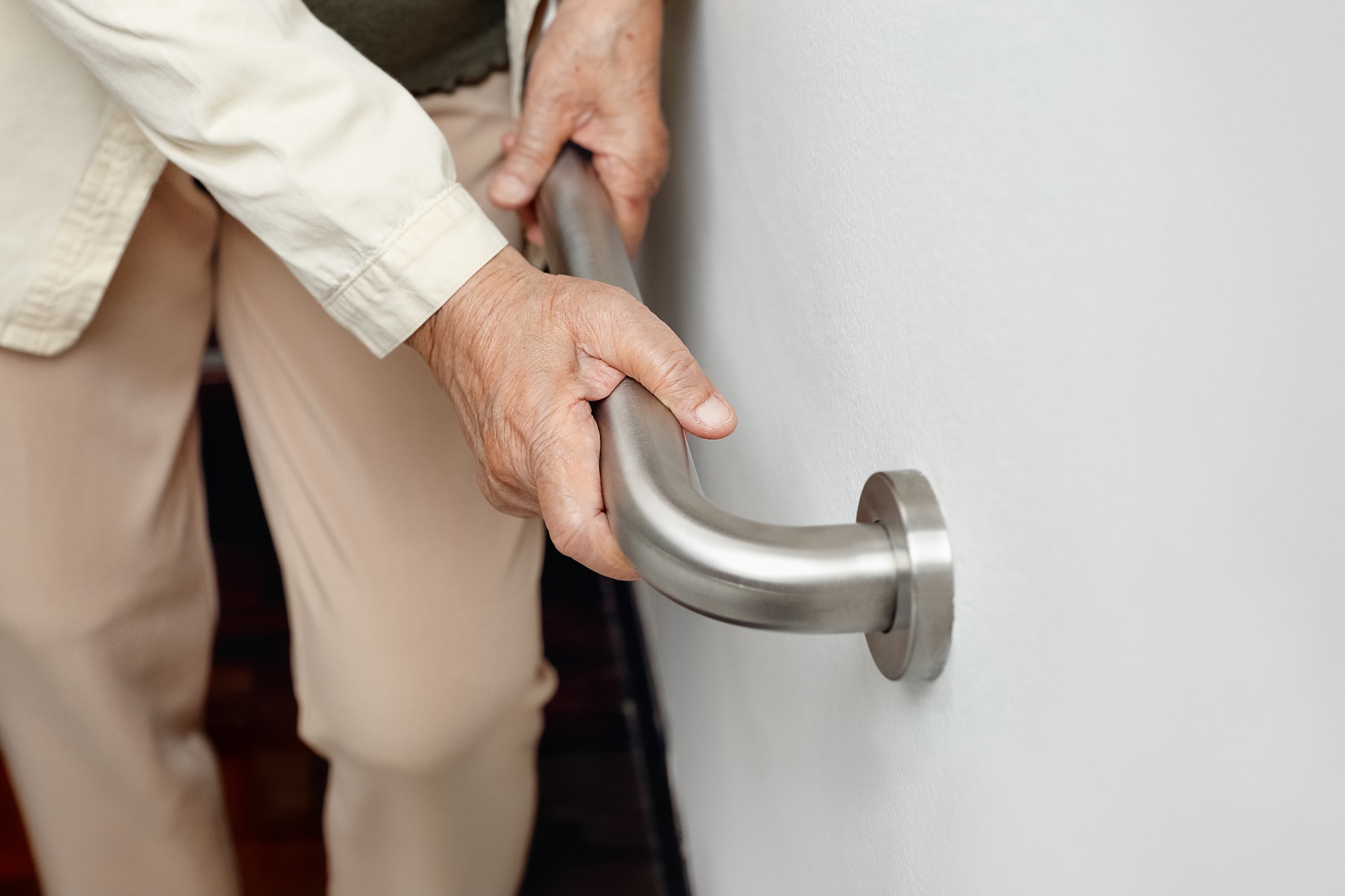
A serious fall changes the conversation about senior care. This guide helps you weigh the real risks of recovery at home against the benefits of a supportive community. Learn the critical questions to ask about fall prevention, night support, and finding the right fit for your parent.
The physical therapist calls it a "rolling walker with hand brakes." It’s shiny, aluminum, and has a little basket on the front. It’s also the first thing you see when you walk into your mom’s hospital room. That walker represents a new reality, one where a simple trip to the bathroom is now a calculated risk. The conversation after a serious fall isn’t just about healing a broken bone. It’s about whether the home your parent has loved for decades is still the safest place for them to live.
The pull to bring them home is powerful. It’s their space, their sanctuary. But the familiar comfort of home can mask new, urgent dangers. The goal of recovery isn't just to get through the next few weeks. It's to prevent the next fall, which is often far more serious than the one that landed them in the hospital.
The Unspoken Risk of Going Home
Before the fall, the slightly worn rug in the living room was a sign of a well-loved home. Now, it’s a trip hazard. The three steps from the garage into the kitchen, once a minor inconvenience, are now a major obstacle. A home that was perfectly safe a month ago may not be safe today, and it certainly might not be safe for the long road of recovery ahead.
Your parent’s mobility has changed. Their confidence is likely shaken. Even with home modifications like grab bars and a shower chair, the house itself cannot supervise them. It cannot help them up if they stumble. The emotional desire for them to be in their own bed must be weighed against the real, physical risks of being there alone.
The 2 AM Question: What Happens in the Middle of the Night?
You can arrange for a home health aide during the day. Family can take shifts. But what happens at 2 AM? What happens when your dad needs to use the restroom, feels dizzy, and there’s no one awake to help him? This is the single biggest gap in most home care plans. A fall in the middle of the night, when someone is alone, can be catastrophic.
This is where the idea of a residential community starts to make sense. In an assisted living or skilled nursing facility, there is always someone on duty. Always. A call button brings a trained professional in minutes, not an ambulance in twenty. That peace of mind is not a small thing. It’s often the deciding factor for families facing this choice.
The goal isn't just to get your parent back into their house. The goal is to prevent the next fall, which is often worse than the first.
More Than a Medical Plan
Recovering from a major fall can be a lonely, isolating experience. Stuck at home, unable to drive or easily get out, your parent can become disconnected from their friends, hobbies, and routines. This social isolation is a significant risk factor for depression and can slow down physical recovery. Weeks of staring at the same four walls takes a toll.
A supportive community offers more than just safety. It offers neighbors. It offers planned activities, communal dining rooms, and easy opportunities for social connection. Instead of waiting for someone to visit, your mom can join a card game down the hall. Instead of eating another meal alone, your dad can share a table with new friends. This built-in social life is powerful medicine.
A Checklist for the "Home vs. Community" Conversation
When the hospital discharge planner starts talking about next steps, you need to be ready. This isn’t about what your parent wants in an ideal world. It's about what they need in their current reality. Use these questions to guide a frank discussion with your family and the medical team:
- Mobility: Can they get to the bathroom, kitchen, and bedroom on their own, safely, every single time? What about stairs?
- Medication Management: The fall may have introduced new, powerful medications for pain or other conditions. Can your parent manage a complex schedule without making a mistake?
- Nutrition and Housekeeping: Who will do the grocery shopping and cook nutritious meals? Who will keep the house clean and do laundry when they can't be on their feet for long?
- Emergency Response: If they fall again, can they get to a phone or use a medical alert device? What is the plan if they are incapacitated?
- Your Own Limits: What level of care can you and your family realistically provide without burning out? Be honest about your work schedules, your own health, and your emotional capacity.
What "Supportive Living" Actually Means
The world of senior care has its own language, which can be confusing. For fall recovery, you're typically looking at two main options.
Assisted living is for seniors who need help with the activities of daily living (often called ADLs). This includes things like dressing, bathing, medication reminders, and mobility support. It provides a residential, social setting with 24-hour staff available to help. For many, it's the right balance of independence and support after a fall.
Skilled nursing, sometimes called a rehab facility, offers a higher level of medical care. This is often the next step directly from the hospital for short-term, intensive rehabilitation. If your parent needs daily physical therapy, wound care, or has complex medical needs, a skilled nursing stay will be recommended to help them get strong enough for their next step, whether that's home or assisted living.
Choosing a community isn't giving up. It's providing a safety net your parent deserves and you can't realistically provide alone.
Finding the Right Fit
If you decide a community is the right path, remember that you’re not just choosing a facility. You’re choosing a home. Look beyond the checklist of services. When you visit, pay attention to the atmosphere. Do the residents seem engaged and happy? Does the staff make eye contact and smile? Ask if you can have a meal in the dining room to sample the food and the social vibe.
Think about your parent's personality. If your mom is a social butterfly, look for a place with a busy activity calendar. If your dad is a quiet reader, look for a community with a nice library and peaceful outdoor spaces. The right fit is about culture as much as it is about care.
This is a hard conversation, prompted by a painful event. It forces you to confront changes you may not have been ready for. But facing this decision with clear eyes and good information is the best way to honor your parent. You’re not just making a choice for their safety. You’re making a choice for their quality of life.
Your next step isn't to start touring communities tomorrow. It's to have an honest conversation with the hospital's discharge planner or social worker. Ask them one simple question: "Based on everything you've seen, what are the biggest safety risks if my parent goes straight home?" Their answer will be your true starting point.