Hospice can come into an adult family home: what families should ask when care needs become end-of-life
Elderly Care Match Team · October 6, 2026 · 6 min read · Care Options
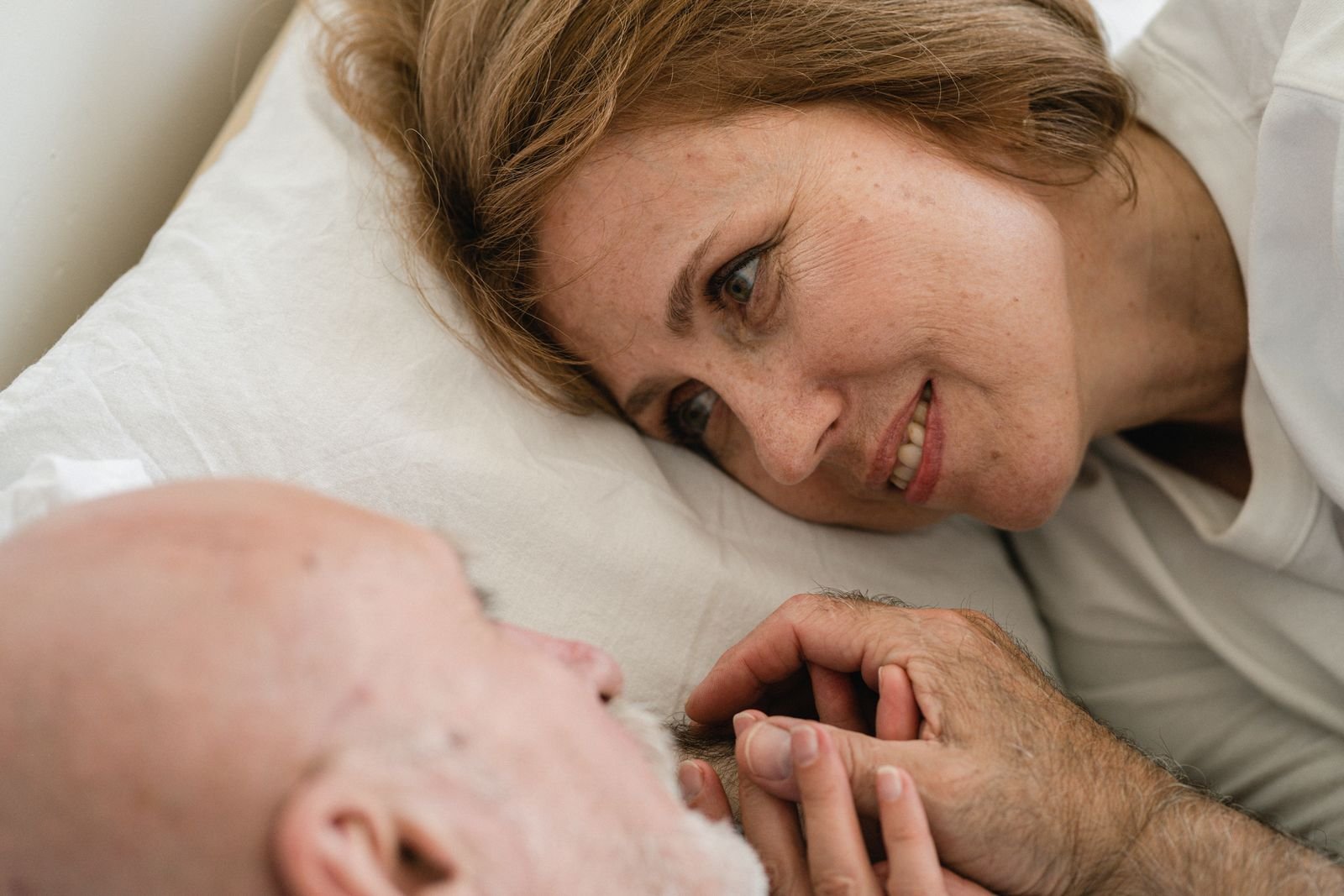
When a loved one in an adult family home needs hospice, families face new questions. Learn how hospice can partner with the care home, what to ask both teams, and how to ensure your loved one receives seamless end-of-life care in a place they call home.
The adult family home was chosen for a reason. It’s smaller, more personal, and feels more like a real home than a large institution. Your loved one has settled in. But now, after a recent doctor's visit or a change in health, the word "hospice" has been mentioned. This brings a new set of urgent questions. Can this specialized care happen here, in the place they know? For many families, the answer is yes.
This situation is for families whose loved one is already living in an adult family home (AFH) and has received a hospice recommendation. It's about adding a layer of support, not about moving. Understanding how the two services work together is the first step toward making calm, confident decisions during a difficult time.
Two Teams, One Goal: Your Loved One’s Comfort
It’s essential to understand that the adult family home and the hospice agency are almost always separate organizations. They form a partnership to care for your loved one. Each has a distinct role.
The adult family home provides the 24-hour residence. They are responsible for the room, the meals, housekeeping, and the hands-on personal assistance your loved one has been receiving. Their staff are the familiar faces your loved one sees day and night.
The hospice agency is a specialized medical team that visits the home. They bring expertise in pain management, symptom control, and the emotional and spiritual support needed during the end-of-life journey. They do not replace the AFH staff. They supplement and guide them.
Your First Conversation Is with the Care Home
Before you even begin interviewing hospice agencies, your first conversation should be with the owner or manager of the adult family home. Their willingness and experience are critical. Schedule a time to sit down and talk, away from the hustle of the day. This conversation sets the foundation for everything that follows.
Come prepared with a few key questions:
Have you worked with hospice agencies before? An experienced home will understand the communication and coordination required.
Are you and your staff comfortable providing end-of-life care? This is a direct but necessary question. You want to ensure the environment will remain supportive.
How do you see your role changing? And what do you expect from the hospice team? This helps clarify responsibilities from the start.
Will there be any change to our monthly fee? Sometimes, a higher level of care may affect the cost. It's better to ask now.
Their answers will tell you if the partnership is feasible and what you can expect. A confident and collaborative response from the AFH owner is a very good sign.
Choosing a Hospice Agency That Works Well with Others
Once the adult family home has confirmed they can support hospice care, your family can choose a provider. Your loved one's doctor may offer a list of local agencies. When you speak with them, your focus should be on their ability to collaborate within the AFH setting.
Key questions for potential hospice providers include:
Do you have experience working inside adult family homes? This is the most important question. An agency that primarily serves patients in private homes or large facilities may not be used to the specific dynamic of an AFH.
Who from your team will be visiting, and how often? Get a sense of the schedule for the registered nurse, certified nursing assistant, social worker, and chaplain.
How do you communicate with the AFH staff? Ask about their process for updating care plans, managing medications, and handling changes in condition. Do they use a shared communication log in the home? Do they have regular calls?
What medical equipment do you provide? This often includes items like a hospital bed, an oxygen concentrator, or a special mattress, all of which are delivered to the AFH.
What does your after-hours support look like? End-of-life needs don't keep business hours. You need to know who the AFH staff can call at 2 a.m. on a Sunday.
What Hospice Care Actually Adds
With two teams involved, it can be confusing to know who does what. The hospice team brings a new, specific set of clinical and support services right into the adult family home. They don’t take over. They add on.
The hospice team typically provides:
A nurse case manager to oversee the medical plan and coordinate care.
A nursing assistant to help with personal tasks like bathing.
A social worker to provide emotional support to you and your loved one.
A spiritual care coordinator (if you want one).
All medications, equipment, and supplies related to the hospice diagnosis.
Think of it this way: The adult family home is the permanent residence. The hospice team is a specialized group of guests who visit to provide a specific type of medical and emotional support.
The AFH staff continues to provide the 24-hour supervision, meals, and daily assistance that make it a home. They will also be the ones administering medications, but they will do so under the direction and guidance of the hospice nurse.
Your Role Can Shift Back to Family
One of the most profound benefits of this partnership is how it can change your role. When you are constantly coordinating care, managing appointments, and worrying about symptoms, it’s hard to just be present. It's exhausting.
With a professional hospice team guiding the clinical care and the AFH staff providing consistent daily support, you can step back from being the project manager. This frees you to focus on what matters most. You can hold a hand. You can share a story. You can play a favorite song. The weight of the senior care logistics is shared, allowing you to return to your most important role: that of a spouse, a child, or a grandchild.
A Practical Path for Calm Communication
Having productive conversations with both care teams is easier when you have a plan. Emotions can run high, and it's easy to get overwhelmed. To keep communication clear and calm, try to establish a simple system.
First, designate one family member as the primary point of contact. This prevents the AFH owner and hospice nurse from receiving conflicting information from multiple people. Second, keep a small notebook in your loved one's room. Family members and staff can jot down non-urgent questions or observations. This log becomes a central point for tracking changes and remembering what to ask during the next nurse visit. Finally, when you need to have a significant conversation, ask for a dedicated time to talk. A planned meeting, even a short one, is always more effective than an impromptu chat in a busy hallway.
Your Next Step
If you're reading this, you are likely facing this decision now. The information can feel like a lot to process, but your next step is simple and concrete. Call the manager of the adult family home. Ask if you can schedule 20 minutes to talk in the next day or two. Bring a notebook, and begin with one direct question: "My father's doctor has recommended hospice. Can we talk about what that would look like here?" That single conversation will open the door, and you can walk through it one step at a time.