One Move, Two Needs: Senior Living When a Spouse Needs More Care
Elderly Care Match Team · July 8, 2026 · 6 min read · Care Options
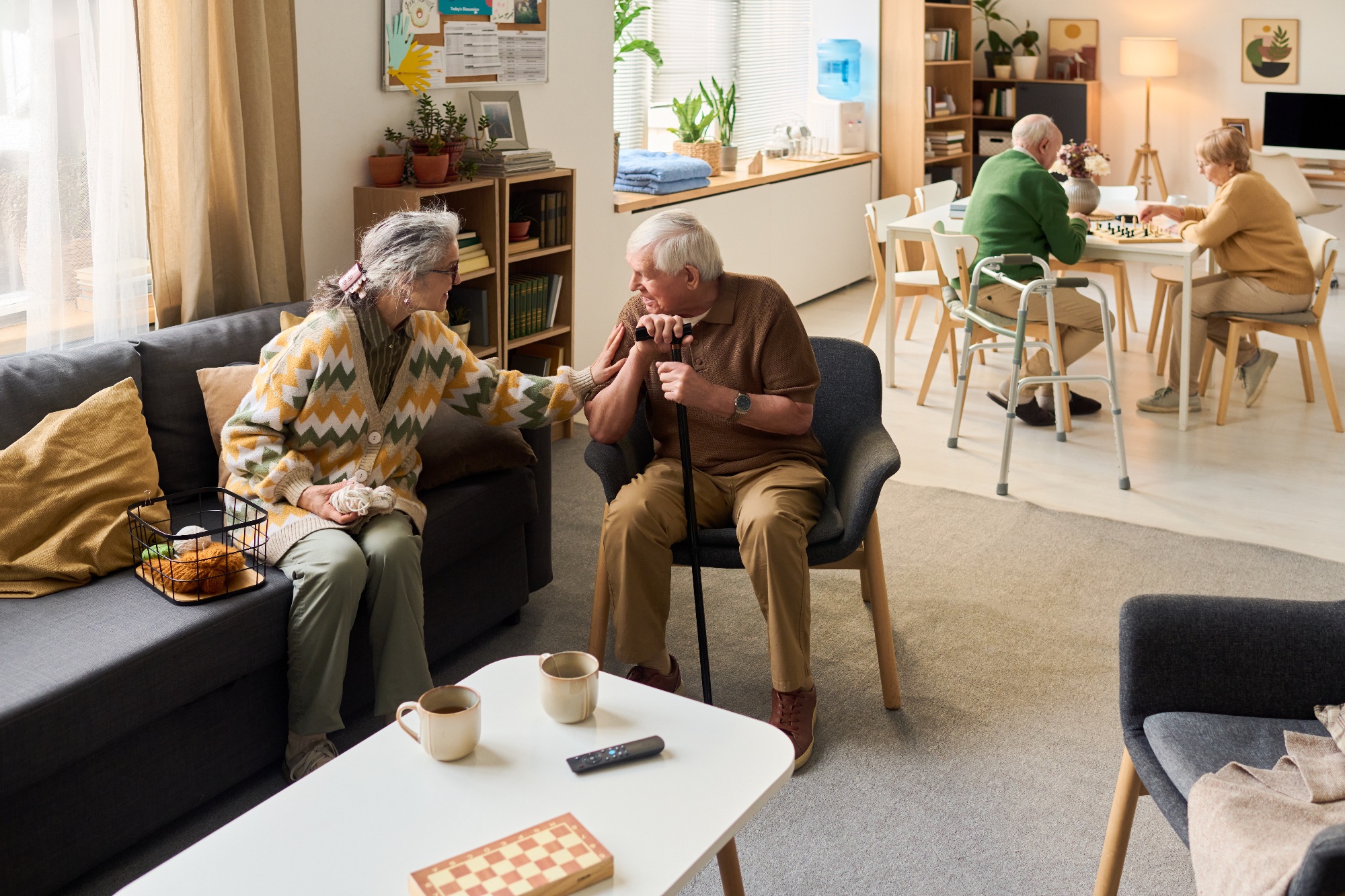
Placing one spouse in care while the other is still independent is a unique challenge. This guide walks you through the options, from shared apartments to continuum of care campuses, so you can make a plan that honors their bond and meets their individual needs.
He carefully places her favorite mug, the one with the chipped blue rim, on the tray next to the morning's Aricept. He can still manage the stairs just fine, but she hasn't been down to the kitchen in weeks. The laundry is piling up, and last week he found the stove burner still on, hours after he'd made soup for her lunch.
This is the tightrope walk many couples face. One person's needs have grown, requiring the safety and support of professional care, while the other remains largely self-sufficient. The thought of separating after fifty years feels impossible. The good news is, you often don't have to. The world of senior care has evolved, and many communities are designed specifically to keep couples together, even when their care needs are worlds apart.
Two People, Two Assessments
The first step in any care planning journey is to get a clear, honest picture of the situation. For couples, this means assessing each person individually. It’s easy to let one person’s more acute needs overshadow the other's, but a successful plan must account for both of their realities. Your dad might seem perfectly fine, but is he exhausted from being a full time caregiver? Is your mom, the one who needs more help, frustrated by her loss of independence?
Think about their needs in a few key areas:
Activities of Daily Living (ADLs): This includes personal care like bathing, dressing, eating, and mobility. Which of these does each person need help with?
Instrumental Activities of Daily Living (IADLs): These are the tasks required to live independently, like medication management, cooking, cleaning, and managing finances. Who is handling these now? Is it becoming a burden?
Cognitive Health: Are there memory concerns? Is one partner showing signs of dementia that require a secure environment? This is a critical factor in determining the right level of care, especially when considering memory care.
Social and Emotional Needs: Does the more independent spouse feel isolated? Does the spouse needing care still want to participate in activities they love? Keeping them together is often as much about emotional wellbeing as it is about physical safety.
Write it all down. This isn't about judgment. It's about creating a factual baseline you can use to evaluate your options for couples senior care.
Shared Space or Close Neighbors?
Once you have a clear assessment, you’ll find that communities offer two main paths for couples with different needs. Neither is inherently better; the right choice depends entirely on the specific situation.
The first option is a shared apartment within an assisted living community. This is often ideal when one spouse needs moderate help (with things like medication, bathing, or meals) and the other is still quite independent but could benefit from having chores and cooking taken care of. The independent spouse gets freedom and relief, while their partner gets the daily support they need, all under one roof. They can sleep in the same bed and maintain the rhythm of their life together, just with a safety net.
The second option is for couples whose needs are more distinct, for example, when one person requires the secure environment of a memory care unit. In this case, they might live in separate apartments on the same campus. The more independent spouse could have an apartment in the assisted living wing, while their partner resides in the memory care neighborhood just a short, indoor walk away. This allows the independent spouse to have their own space and social life while being able to visit their partner freely and easily every day, without the direct responsibilities of caregiving.
The Power of a Continuum of Care Campus
Many families find the best solutions at communities that offer a "continuum of care". This simply means they have different levels of care, like independent living, assisted living, and memory care, all on one campus. This model is perfectly suited for couples with diverging needs.
A continuum of care campus provides flexibility. A couple could start in a shared assisted living apartment. If one person's dementia progresses to the point where they need a secure environment, they can transition to the memory care unit on site without a disruptive, large scale move to a new company and location. They remain in a familiar setting, with staff who already know them, and their spouse can visit just by walking down the hall.
The goal of good care planning isn't just to solve today's problem. It's to find a place where they can both feel secure, even if their needs diverge further down the road.
This approach provides immense peace of mind. You aren't just planning for today. You're planning for the next five or ten years, creating a stable environment where they can both age in place, together.
What if the Other Partner's Needs Change?
This is the question that keeps adult children up at night. What happens if Dad, the "healthy" one, has a fall and suddenly needs help, too? This is where choosing a community with multiple levels of care really pays off.
If the more independent spouse starts to need support, the process is typically straightforward. The community's wellness director or nurse will conduct a new assessment of their needs. Based on that assessment, a care plan is created, and services are added right in their existing apartment. Help with showering, medication reminders, or escorts to dinner can be layered in without requiring another move. This seamless transition is one of the most significant benefits of planning ahead for couples senior care.
Key Questions to Ask About Fees
The financial piece can be confusing, as every community structures its pricing differently. Don't get bogged down in the details online. Your job is to ask clear questions when you tour. Go in with a list. There are no stupid questions when it comes to understanding costs.
For a shared apartment, what is the base rate for one person in assisted living?
What is the "second-person fee" for a spouse living in the same apartment?
How is that second-person fee calculated? Is it a flat monthly rate, or is it based on an assessment of their individual care needs?
If they live in separate apartments (for instance, one in assisted living and one in memory care), are we paying two separate, full monthly rates?
What happens to the monthly rate if one partner passes away? Does the remaining spouse's rate change?
Get the answers in writing. A reputable community will be happy to provide a clear breakdown of potential costs.
Honoring Their Relationship
Beyond the logistics of care and cost, the ultimate goal is to find a place that respects and supports their bond. When you visit a community, watch for the small things. Do you see staff helping a resident from memory care join their spouse in the main dining room for lunch? Are there activities that both can enjoy, regardless of their physical or cognitive abilities?
A good community understands that their job isn't just to provide care for two individuals. It's to provide a supportive home for a couple. They will see the relationship as something to be nurtured, not as a logistical problem to be solved.
Start by writing down a list of what each of your parents needs today, and what they most value about their life together. This simple document will be your north star as you begin your search.
Elderly Care Match help is free for families; we do not push a building; (206) 771-2112; info@elderlycarematch.com; elderlycarematch.com.