Signs It May No Longer Be Safe to Live at Home
Elderly Care Match Team · August 8, 2026 · 6 min read · Family Caregiver Support
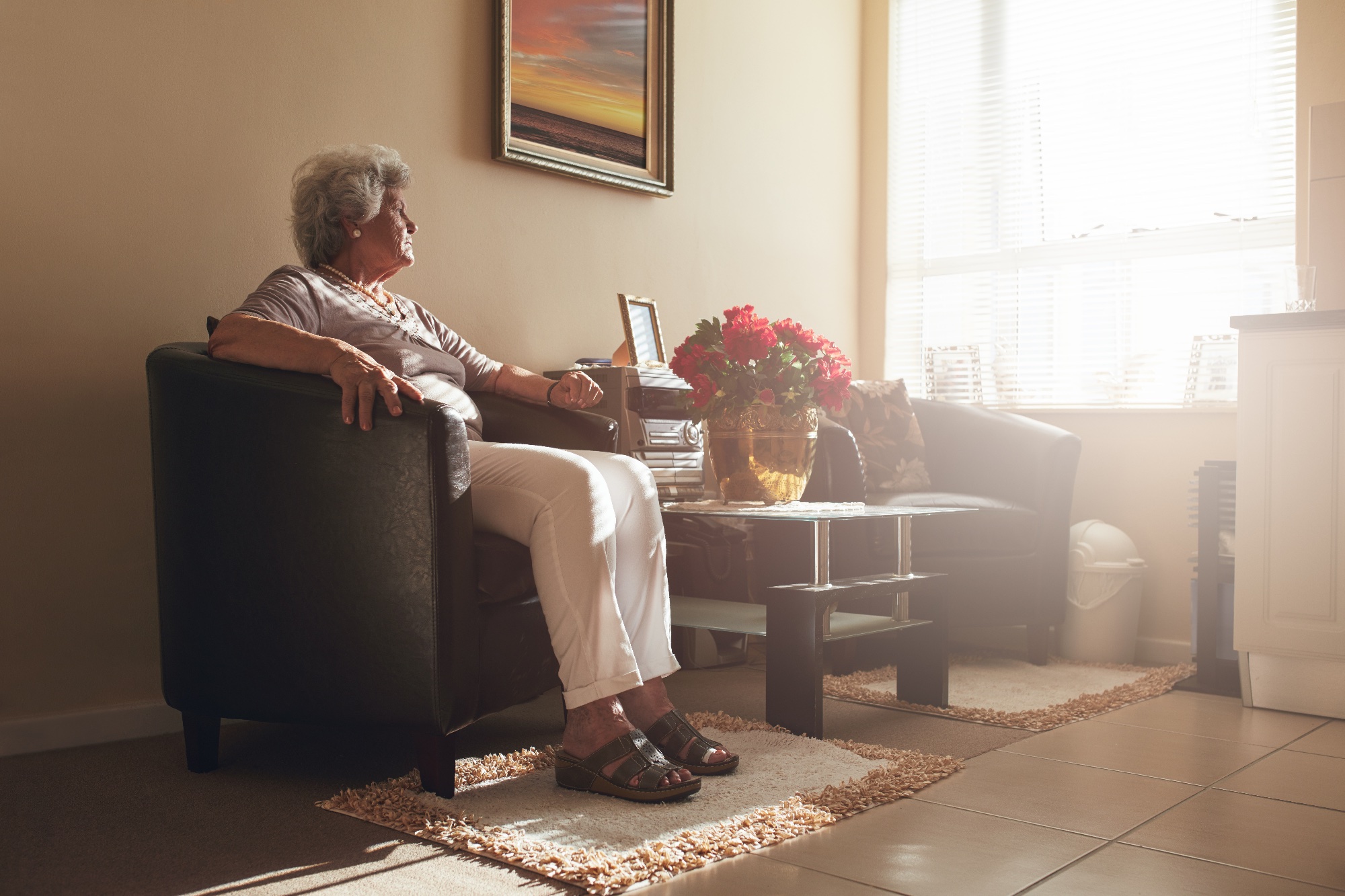
You're worried about your parent living alone, but you're not sure if it's a real problem or just normal aging. This guide helps you spot specific signs, from missed pills to social withdrawal, so you can make a clear-headed decision about what's next.
How do you know when “a little forgetful” becomes unsafe? You see things during your visits that give you pause. A new bruise on your dad’s arm. The same leftovers in the fridge from last week. A missed doctor's appointment. It’s hard to tell if these are isolated incidents or signs of a larger problem. You’re worried, but you don’t want to overreact.
This uncertainty is a heavy weight. This article is not a diagnostic tool. It’s a quiet checklist of observations, a way to organize your thoughts and concerns. It’s designed to help you see a pattern if one is emerging, so you can decide when it’s time to start a conversation about getting more support.
The Physical Clues: Falls, Bruises, and Balance
A fall can be a life-changing event. Sometimes, the signs of increasing fall risk are there long before one happens. Pay attention to how your parent moves through their home. Do they use furniture or walls to steady themselves? This is called “furniture surfing” and it’s a common sign of instability.
Look for other clues:
Unexplained bruises. When you ask about a new bruise on their arm or leg, they might say they don’t remember how it happened. This can indicate a minor fall or a series of bumps they are not aware of.
Difficulty with stairs. Do they avoid the basement or the second floor? Do they seem winded or shaky after climbing just a few steps?
Changes in gait. A new shuffle, a wider stance, or visible unsteadiness are all red flags. Navigating a familiar hallway or a rainy Washington sidewalk suddenly seems like a challenge.
One fall is a warning. Two or more falls in a year is a clear signal that something is wrong. It’s a sign that their environment, their physical condition, or both need to be reevaluated immediately.
In the Kitchen: A Window into Daily Life
The kitchen tells a story about how well a person is managing day to day. It’s a room that requires complex tasks, from remembering recipes to operating appliances safely. When you visit, take a quiet look around.
You might notice spoiled food in the refrigerator, like expired milk or moldy bread. This suggests they may not be tracking dates or are buying groceries and forgetting to use them. A completely empty fridge is also a concern, as it can be a sign of poor nutrition or an inability to get to the store.
Check the counters and stove. Are there scorched pots and pans? This could mean food was forgotten on the burner, a serious fire hazard. Repetitive, low-effort meals, like toast and tea for dinner every night, can signal a lack of energy, depression, or an inability to cook safely. Unexplained weight loss is often linked to these kitchen troubles.
Medication Management: More Than a Missed Pill
Forgetting to take a daily vitamin is one thing. Mismanaging critical prescriptions for conditions like heart disease, diabetes, or blood pressure is another. The consequences can be severe.
Your observations are valuable data. They are the starting point for a conversation with a medical professional, not the final word.
Look for signs that the system is breaking down. Is the weekly pill organizer still full on a Thursday? Are there expired prescription bottles in the medicine cabinet? Sometimes, a person might take a dose and forget they’ve done so, leading them to take another. An overdose of something like a blood thinner can be incredibly dangerous.
If you ask about their medications, listen for confusion. They may not remember what a certain pill is for or when they are supposed to take it. This isn't a moral failing. It’s a sign that the task has become too complex to manage alone.
Changes in Cognition: Wandering and Confusion
Cognitive changes can be subtle at first. It might start with forgetting the name of a familiar neighbor or misplacing car keys more frequently. But some signs are more urgent.
Wandering is a serious safety concern. This doesn’t always mean leaving the house. It can be pacing restlessly or trying to “go home” when they are already in their own living room. If your loved one gets lost on a familiar walk around the block or while driving to the grocery store they’ve visited for 30 years, it’s a clear indication that their cognitive mapping is failing.
Confusion about time is another sign. They might talk about a long-deceased spouse in the present tense or get day and night mixed up, preparing breakfast at 10 p.m. These aren't just memory lapses. They point to a deeper disorientation that makes living alone precarious.
The Quiet Problem: Social Isolation
Safety isn’t just about physical hazards. Emotional and social well-being are just as important. Loneliness is a significant health risk for seniors, linked to depression, cognitive decline, and other chronic conditions.
Has your mom stopped going to her weekly book club? Does your dad have excuses for why he can’t meet his friends for coffee anymore? A shrinking social circle is a major red flag. They may have lost the confidence to drive, have trouble hearing in groups, or simply lack the energy to engage.
Notice the state of their home. Piles of mail, stacks of newspapers, and a general state of disarray can be signs of depression or apathy. When someone loses interest in their surroundings and their personal hygiene, it’s often a cry for help.
This Is a Conversation Starter, Not a Conclusion
Seeing these signs can be frightening. It’s easy to jump to conclusions or feel overwhelmed by what it all might mean. Take a breath. Remember, you are an observer, not a doctor. Your role is not to diagnose dementia, depression, or any other medical condition.
Your role is to gather information. Think of yourself as a loving detective. Write down what you see. Note the dates. A single instance of spoiled milk isn't a crisis. A pattern of spoiled food, missed pills, and social withdrawal over several weeks is something that needs to be addressed.
When to Loop in a Professional
Once you have a clear list of specific concerns, it’s time to bring in an expert. The first stop should be your parent’s primary care physician. The doctor can screen for underlying medical issues that might be causing the symptoms, like a urinary tract infection (which can cause sudden confusion) or vision and hearing problems.
If your loved one has a fall or another medical event that results in a hospital stay, you will likely meet a hospital discharge planner or social worker. Their job is to ensure your parent has a safe place to go after leaving the hospital. Be open with them about your concerns regarding the safety of their home. They are a valuable resource and can connect you with in-home support services or help you understand other care options.
Trust your gut. If you have a persistent feeling that something is wrong, it’s worth investigating. You know your loved one best.
Making these observations can feel like an intrusion, but you are doing it out of love and concern. The goal isn’t to take away independence, but to ensure safety. For many families in Washington, recognizing these signs is the first step toward finding a solution that provides both security and a better quality of life.
If you've noticed several of these signs and aren't sure what to do next, the next step is to talk to someone who understands. You don’t have to figure this out alone. Call our team at Elderly Care Match for a confidential conversation about your family’s situation and the options available to you.
Elderly Care Match is free for families. We do not push a building — we help you sort what fits. Call (206) 771-2112, email info@elderlycarematch.com, or visit elderlycarematch.com.