The Assisted Living Roommate: Saving Money vs. Gaining Privacy
Elderly Care Match Team · September 18, 2026 · 6 min read · Care Options
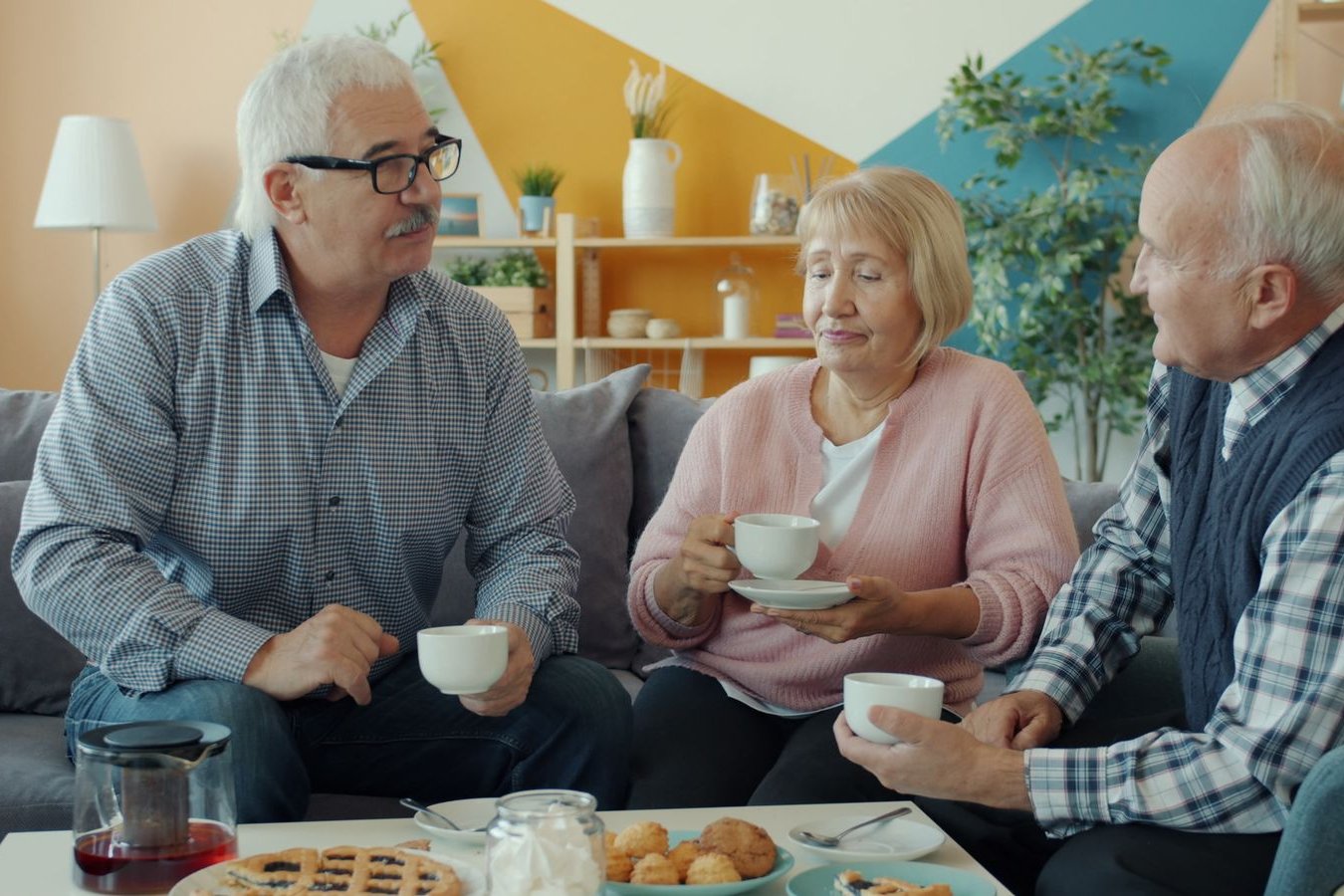
A shared room in assisted living saves money, but a private room offers peace. We'll help you weigh the true costs and benefits of both options, from roommate matching to knowing when you must insist on a solo space. Here's how to decide what's best for your loved one.
Choosing a shared room in an adult family home or assisted living is a financial decision. But its biggest impacts are social and emotional.
The choice between a shared and private room feels like one of the first big, concrete decisions you'll make. It immediately brings up questions of dignity, comfort, and cost. There is no single right answer, only the right answer for your family member. Understanding the real trade-offs is the first step toward finding it.
The Obvious Difference: Cost
Let's start with the reason most people consider a shared room. It's cheaper. The savings are not small. Depending on the community and location, a shared room can reduce the monthly bill by a significant amount, often adding up to thousands of dollars over a year. This isn't just a minor discount. For many families, that savings is what makes a preferred community affordable. It can stretch a budget far enough to cover higher levels of care or simply make professional long-term care a possibility at all.
When you're looking at a budget spreadsheet, the lower number for a shared room can be very compelling. It's a practical, logical choice. But the numbers on the page don't tell the whole story of what it's like to live there.
The Quiet Value of Privacy
A private room is more than just four walls. It is a sanctuary. For someone moving out of a home they've lived in for decades, giving up their space is one of the hardest parts of the transition. A private room preserves a crucial piece of that independence. It's a place where they can control their own environment.
Think about the small details of daily life. A private room means your mom can turn the reading light on at 11 p.m. without disturbing anyone. Your dad can watch his favorite game shows without arguing over the remote. It means they can have a difficult phone call with a doctor or a tearful chat with a grandchild without an audience. It means having a space to be unwell, to be grumpy, or to just be quiet without having to perform for a roommate.
A good roommate can be the difference between a lonely transition and a welcome new chapter. A bad one can make a beautiful community feel like a prison.
This is especially critical for personal care. While staff are trained to provide privacy, having your own bathroom and personal space for dressing and hygiene can make a world of difference in maintaining a sense of dignity.
The Unforeseen Gift: Companionship
While privacy is a powerful argument for a solo room, companionship is the unexpected benefit of a shared one. The move into assisted living can be lonely. A new resident is navigating a new building, new schedules, and new people. A roommate can be an instant, built-in connection.
Having a roommate means there’s always someone to ask, "Are you going down to lunch?" It provides a partner for activities and a friendly face at the end of the day. For someone who is naturally social, this can dramatically ease the transition. It combats the isolation that can so easily creep in.
There's also a subtle safety benefit. A roommate is often the first person to notice if something is wrong. They might see that your loved one seems unsteady, didn't eat their dinner, or is sleeping more than usual. They are there to call for help in the middle of the night if someone falls. This passive oversight can be incredibly reassuring for families.
How Communities Match a Roommate
If you're leaning toward a shared room, your first question is likely, "Who will the roommate be?" Communities don't just draw names out of a hat. They have a vested interest in making a successful match, since a bad pairing creates problems for residents and staff alike.
Most facilities use a detailed questionnaire during the intake process. It goes beyond basic demographics and asks about lifestyle and personality. Be prepared to answer questions about:
Sleep habits: Is your loved one an early bird or a night owl? Do they nap?
Tidiness: Are they meticulously neat or comfortable with some clutter?
Room environment: Do they prefer the room warm or cool? Do they like a window open?
Social style: Are they a talker or do they prefer quiet?
Media use: How much TV do they watch? Do they listen to music or the radio?
The more honest you and your family member are on this questionnaire, the better the chance of finding a compatible roommate. Don't write down what you think the community wants to hear. Write down the truth about your dad's habit of watching TV until midnight.
When a Shared Room Is a Poor Fit
For some residents, a shared room isn't just a matter of preference. It's a bad idea. Certain health conditions and personality traits make sharing a small space impractical or even unsafe. A private room should be considered non-negotiable in these situations.
A shared room is likely a poor fit if your loved one:
Has moderate to advanced dementia. Symptoms like sundowning, wandering, paranoia, or agitation can be extremely disruptive and distressing for a roommate.
Requires disruptive medical equipment. A loud oxygen concentrator, a CPAP machine, or the frequent alarms of a feeding pump can make it impossible for a roommate to sleep.
Needs frequent nighttime care. If staff must come in multiple times a night to reposition someone or provide care, it will inevitably wake the other person.
Has a history of being solitary. A person who has lived alone for 30 years and deeply values their solitude will likely find a roommate to be a source of constant stress, not comfort.
Is combative or has a difficult personality. If your loved one has a history of conflict, forcing them into a shared space is unfair to everyone involved.
The Middle Ground: An Adult Family Home
If the private-versus-shared debate in a larger assisted living community feels stuck, consider a different model of care. An adult family home is a regular house in a residential neighborhood licensed to care for a small number of residents, typically six or fewer. In this setting, each resident almost always has their own private bedroom.
This setup offers a unique blend of privacy and community. Your loved one has their own personal space to retreat to, but the home's living room, dining room, and kitchen are shared. Socialization happens naturally around the dinner table or while watching TV together in the evening. It provides the solitude of a private room with the companionship of a small, family-like environment just outside the door.
The decision is a balance. You are weighing a number on a spreadsheet against the unquantifiable value of peace, privacy, and companionship. There is no wrong choice, only a thoughtful one.
Before you tour any community, sit down and make two lists for your loved one. One list details their non-negotiable daily needs (a quiet space for reading, the TV on after 9 p.m.). The other details their social personality (do they crave company or cherish solitude?). Take these lists with you. They are your most important guide.