What Fits in the Room? The Definitive Senior Living Packing List
Elderly Care Match Team · September 29, 2026 · 5 min read · Touring & Placement Tips
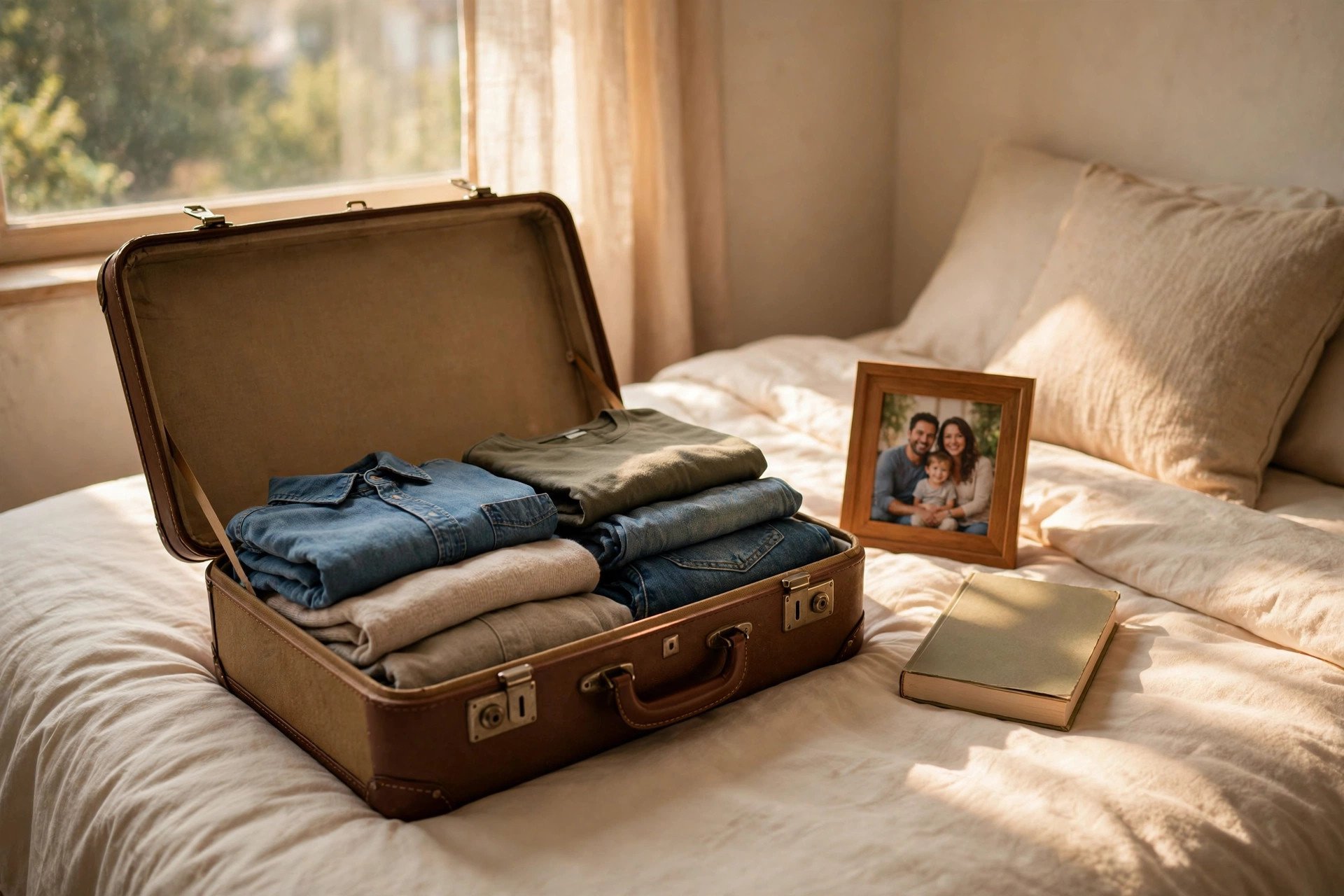
What actually goes into the moving truck? What stays behind? Our complete packing list for assisted living and adult family homes helps you focus on what truly matters, ensuring your loved one's new space feels like home from day one.
What can we actually bring with us? How do we decide what stays behind? Where in the world do we even start?
If you're asking these questions, you're not alone. The process of moving into senior living is full of logistics and emotions. This guide will help you answer those questions. We'll provide a practical framework for what to pack, what to leave, and how to make your loved one's new space feel like a true home.
Start With the Essentials: Documents and Medical Needs
Before you pack a single box of keepsakes, gather the critical paperwork and medical supplies. These items are non-negotiable. Store them in a clearly labeled binder or portable file box that you personally transport on moving day. Do not pack this in a moving truck.
Your essential documents checklist should include copies of:
Power of attorney documents (for healthcare and finances)
Social Security card and Medicare or insurance cards
Birth certificate and driver's license or state ID
A list of all prescription medications, dosages, and prescribing doctors
Contact information for all doctors and family members
Copies of a living will or advance directives
For medical needs, pack a current 30 day supply of all prescription and over the counter medications like Tylenol or allergy pills. Include any necessary equipment like a blood pressure monitor, glucose meter, or hearing aids with extra batteries.
Clothing and Personal Care for a New Routine
Think practical, comfortable, and familiar. When packing clothes for an adult family home or assisted living, the goal is ease of use. Choose items that are easy to put on and take off. Think pull on pants, front fastening tops, and comfortable sweaters. Pack about a week's worth of clothing.
Don't forget footwear. Comfortable, non slip shoes are a must. Two pairs are plenty to start. Also include a pair of slippers with rubber soles for safety.
For toiletries, bring their favorite brands of soap, lotion, shampoo, and toothpaste. The familiar scents can be incredibly comforting in a new environment. Pack these items in a dedicated bag to prevent spills and make them easy to find on the first day.
Before you pack a single box, get a copy of the community's floor plan and a list of what they provide. This is your most important tool.
Making a Room Feel Like Home
This is where you move beyond needs and into wants. The goal is to create a sense of comfort and identity. Don't try to replicate their old bedroom. Instead, select a few cherished items that will make the new space feel personal and safe.
Consider bringing:
Framed family photos. Digital photo frames are a great, space saving option.
A favorite piece of art or a meaningful wall hanging.
A beloved quilt or throw blanket for their bed or a favorite chair.
A few treasured books or magazines.
A simple clock and a calendar to help with orientation.
These small touches have a big impact. They are visual cues that this new place is theirs. It's their home.
Furniture: Less Is More
Most senior living communities provide basic furniture, like a bed, a dresser, and a nightstand. Confirm what is included before you plan to move any large items. Space is almost always the biggest constraint when moving into senior living.
If you do plan to bring furniture, a favorite recliner or a small writing desk might be the perfect addition. Measure the room. Then measure the furniture. Measure it again. A piece that looks small in a large house can easily overwhelm a compact assisted living apartment. Choose one or two key pieces that provide comfort and function.
What to Leave Behind
Deciding what not to pack is just as important as deciding what to pack. This can be the most emotionally difficult part of the process, so approach it with patience and understanding. Leaving behind prioritizes safety and creates a manageable living space.
Items to leave behind include:
Large furniture sets (dining tables, sofas, china cabinets).
Kitchen appliances and full sets of dishes (most communities handle all meals).
Valuable or irreplaceable jewelry and heirlooms. It's better to keep these with family.
Throw rugs. They are a significant trip hazard.
Clutter, such as old paperwork, junk mail, and excessive knickknacks.
Anything that hasn't been used in over a year.
Focus on creating a new, safe, and comfortable home with the most cherished pieces of their life.
The First Night Box
The final step in your packing plan is to prepare a "First Night" box or bag. This is a small, clearly labeled container with everything your loved one will need for the first 24 hours. Moving day is exhausting for everyone. Having this box ready prevents a frantic search for a toothbrush or pajamas.
Your First Night box should contain:
A change of comfortable clothes and pajamas.
All necessary medications for that evening and the next morning.
Essential toiletries (toothbrush, toothpaste, soap).
Eyeglasses, hearing aids, and chargers.
A phone and its charger.
A favorite snack and a bottle of water.
This small bit of preparation makes the first night of the transition much smoother. It provides a sense of order amid the chaos of unpacking.
This entire packing list is a tool to help you navigate a complex transition. It breaks a huge job into smaller, more manageable steps. Your next step today is a simple one. Call the community and ask for a detailed floor plan of the room. This single action will give you the concrete information you need to begin making confident decisions.